
Vietnam is one of Southeast Asia’s most rewarding destinations. It offers a mix of bustling cities, ancient towns, breathtaking landscapes, rich history, and some of the best street food in the world. Whether you’re exploring vibrant markets, cruising through limestone islands, or relaxing in charming old towns, Vietnam packs an incredible amount of experiences into a relatively small country.
If you only have one week, careful planning will help you see the highlights without feeling rushed. This 7 days in Vietnam itinerary is designed for first-time visitors who want to experience the country’s culture, history, food, and natural beauty.
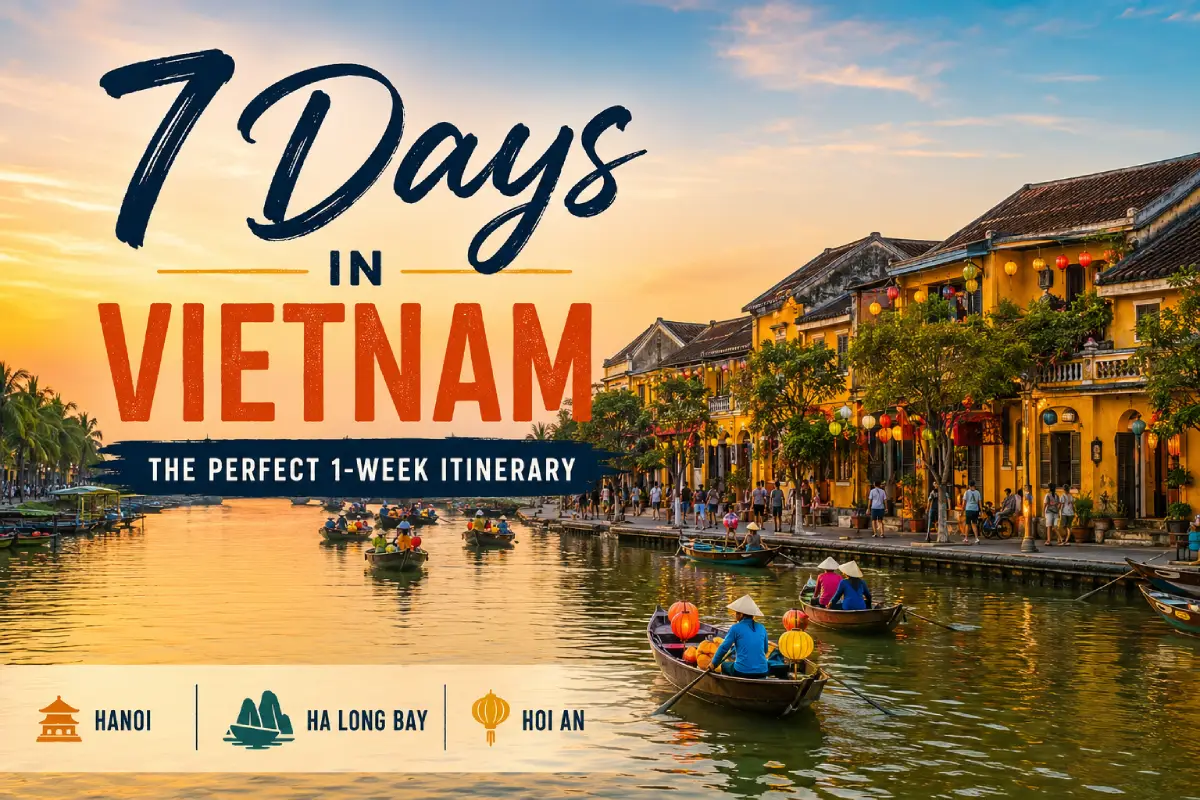
Is 7 Days Enough for Vietnam?
Seven days isn’t enough to see the entire country, but it’s perfect for visiting Northern Vietnam or combining two major destinations. Since Vietnam stretches more than 1,600 kilometers from north to south, trying to cover everything in one week would mean spending too much time traveling.
This itinerary focuses on Hanoi, Ha Long Bay, and Hoi An—three destinations that showcase Vietnam’s diversity while keeping travel manageable.
Day 1: Arrive in Hanoi
Your adventure begins in Vietnam’s capital city. Hanoi blends centuries-old architecture with modern city life, creating an exciting first impression.
Spend your first day exploring:
- Hoan Kiem Lake
- Ngoc Son Temple
- Hanoi Old Quarter
- St. Joseph Cathedral
- Dong Xuan Market
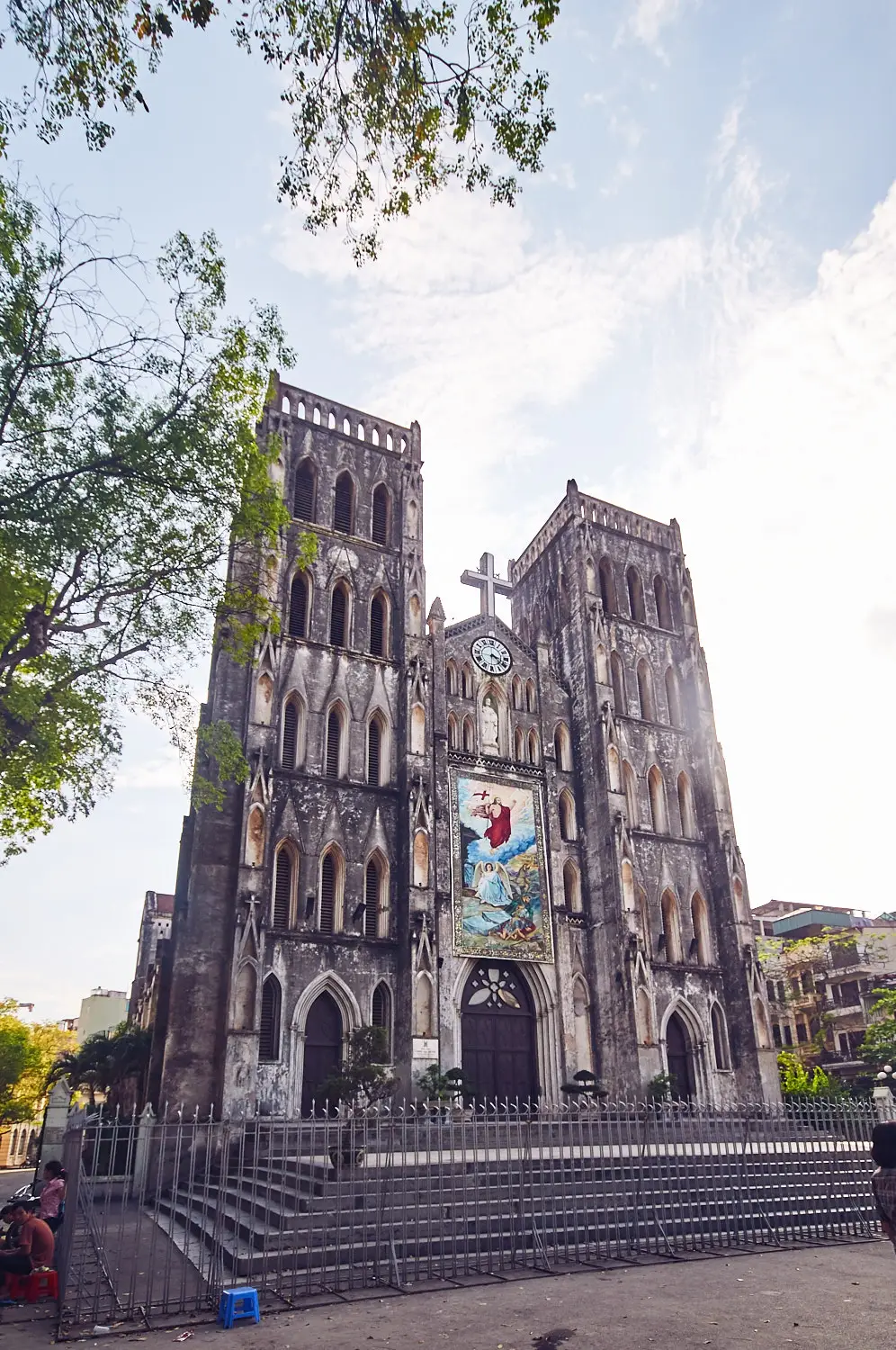
Arno Kohlem, CC BY-SA 4.0 https://creativecommons.org/licenses/by-sa/4.0, via Wikimedia Commons
The Old Quarter is best explored on foot. Narrow streets are filled with cafés, local shops, street vendors, and scooters weaving through traffic.
As evening arrives, watch a traditional Water Puppet Show before sampling local specialties.
Must-Try Foods
- Pho
- Bun Cha
- Egg Coffee
- Banh Mi
- Fresh Spring Rolls
Day 2: Explore Hanoi’s History and Culture
Dedicate your second day to Vietnam’s fascinating history.
Top attractions include:
- Ho Chi Minh Mausoleum
- One Pillar Pagoda
- Temple of Literature
- Vietnam Museum of Ethnology
- Train Street (if open to visitors)
For lunch, visit a local restaurant serving authentic Northern Vietnamese cuisine.
In the evening, relax at one of Hanoi’s rooftop cafés overlooking the city.
Day 3: Cruise Ha Long Bay
Few places in Southeast Asia are as iconic as Ha Long Bay.
A two-hour drive from Hanoi takes you to this UNESCO World Heritage Site, famous for thousands of limestone islands rising from emerald waters.
Most day cruises include:
- Scenic boat cruise
- Limestone cave exploration
- Kayaking
- Seafood lunch
- Swimming
- Sunset viewing
If your budget allows, consider an overnight cruise, which offers a quieter experience after the day-tour crowds leave.
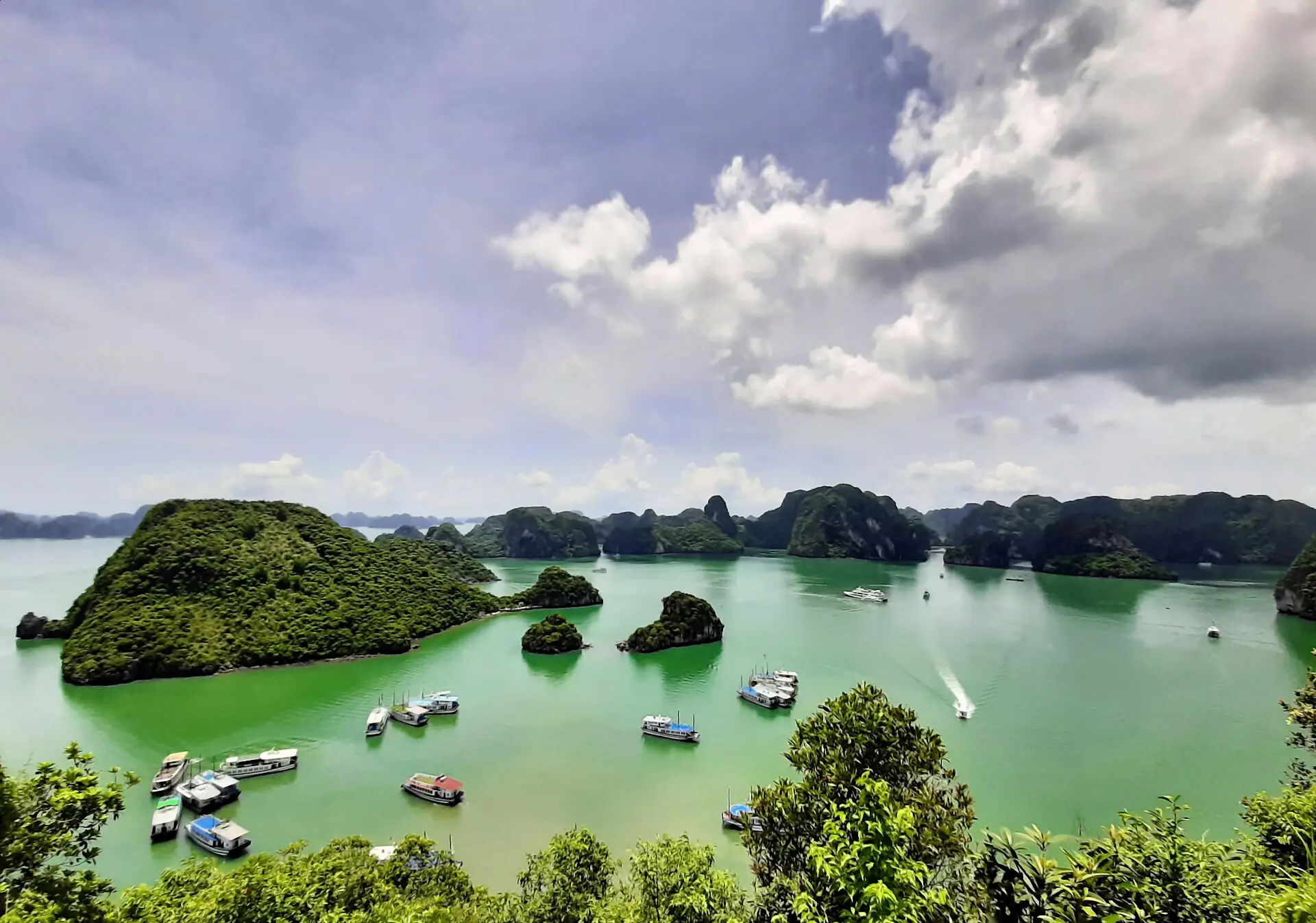
By Taewangkorea – Own work, CC BY-SA 4.0, https://commons.wikimedia.org/w/index.php?curid=83218156
Day 4: Fly to Da Nang and Visit Hoi An
Take a morning flight from Hanoi to Da Nang.
From Da Nang Airport, it’s approximately 45 minutes to Hoi An Ancient Town.
Hoi An is one of Vietnam’s most beautiful destinations, known for:
- Yellow heritage buildings
- Japanese Covered Bridge
- Lantern-lined streets
- Riverside cafés
- Tailor shops
- Local markets
At night, thousands of colorful lanterns illuminate the old town, creating one of Vietnam’s most photographed scenes.
Don’t miss trying:
- Cao Lau
- White Rose Dumplings
- Mi Quang
Day 5: Discover Hoi An
Spend a full day enjoying Hoi An’s relaxed atmosphere.
Popular activities include:
Bicycle Tour
Ride through rice paddies and nearby villages.
Cooking Class
Learn how to prepare traditional Vietnamese dishes.
An Bang Beach
Relax on one of Vietnam’s nicest beaches.
Basket Boat Ride
Explore the Coconut Forest aboard traditional bamboo basket boats.
Finish your evening with a lantern boat ride along the Thu Bon River.
Day 6: Visit Ba Na Hills or Marble Mountains
From Hoi An, you have several excellent day-trip options.
Option 1: Ba Na Hills
The mountain resort is famous for:
- Golden Bridge
- French Village
- Cable car rides
- Fantasy Park
- Mountain scenery
Option 2: Marble Mountains
Ideal for travelers seeking nature and history.
Explore:
- Buddhist temples
- Marble caves
- Panoramic viewpoints
- Stone carving village
Return to Hoi An for your final evening.
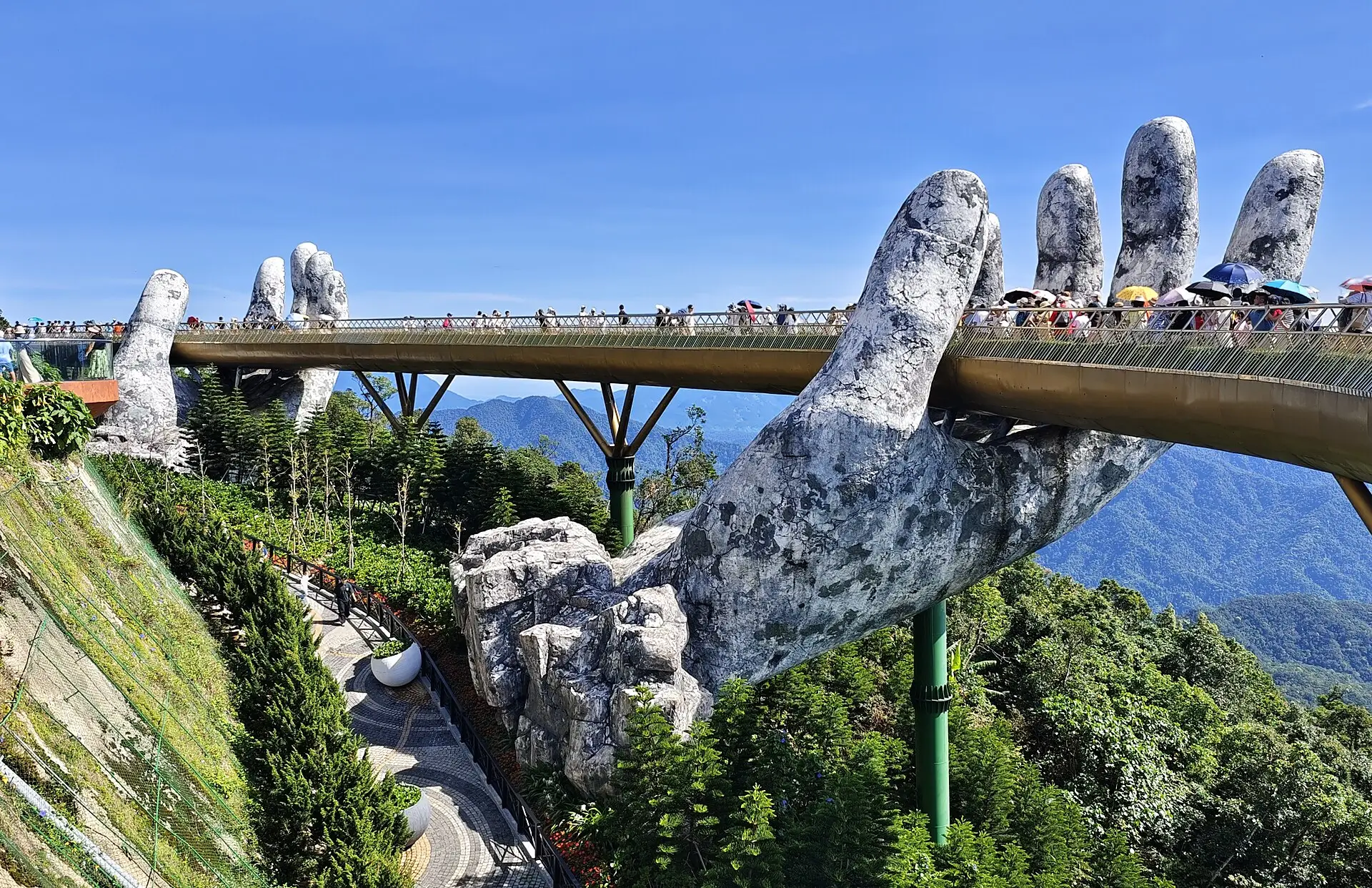
By DvTor8303 – Own work, CC0, https://commons.wikimedia.org/w/index.php?curid=175630702
Day 7: Da Nang and Departure
Before your flight home, spend a few hours exploring Da Nang.
Recommended attractions include:
- Dragon Bridge
- My Khe Beach
- Han Market
- Son Tra Peninsula
- Linh Ung Pagoda
If time permits, enjoy fresh seafood at one of the city’s waterfront restaurants before heading to Da Nang International Airport.
Estimated Budget for 7 Days
| Expense | Budget Traveler | Mid-Range Traveler |
|---|---|---|
| Accommodation | $20–40/night | $60–120/night |
| Meals | $15–25/day | $30–60/day |
| Transportation | $50–120 | $120–250 |
| Activities | $100–250 | $250–500 |
| Total | $450–800 | $1,000–1,800 |
Prices vary depending on the season and travel style.
Best Time to Visit Vietnam
Vietnam’s weather differs by region, but generally the best months are:
- March to April – Pleasant temperatures and less rainfall.
- September to November – Cooler weather with clear skies.
- December to February – Great for Northern Vietnam, though evenings can be chilly.
- May to August – Hot and humid with occasional rain.
Transportation Tips
Getting around Vietnam is relatively easy.
Options include:
- Domestic flights for long distances
- Grab for affordable city transport
- Taxis from reputable companies
- Sleeper trains for overnight travel
- Tourist buses between cities
For first-time visitors, Grab is usually the most convenient and reliable option.
Travel Tips for First-Time Visitors
- Carry small Vietnamese Dong notes for street vendors.
- Download Grab before arriving.
- Wear comfortable walking shoes.
- Stay hydrated during hot weather.
- Respect local customs when visiting temples.
- Bargaining is common in markets but should be done politely.
- Always keep an eye on your belongings in crowded areas.
Frequently Asked Questions
Is Vietnam expensive?
No. Vietnam is one of the most affordable countries in Southeast Asia, offering excellent value for accommodation, transportation, and food.
Do I need cash?
Yes. While hotels and larger restaurants accept credit cards, many local eateries, markets, and small shops prefer cash.
Is Vietnam safe?
Vietnam is generally considered a safe destination for tourists. Like any popular travel destination, use common sense, be aware of your surroundings, and keep valuables secure.
Can I visit Hanoi and Ho Chi Minh City in seven days?
Yes, but it requires domestic flights and leaves limited time for sightseeing. First-time visitors often enjoy a more relaxed itinerary by focusing on one region.
Final Thoughts
Seven days in Vietnam offers an unforgettable introduction to one of Asia’s most captivating countries. From wandering the lively streets of Hanoi and cruising the breathtaking waters of Ha Long Bay to admiring the lantern-lit beauty of Hoi An, every day brings a new adventure.
While one week only scratches the surface, this itinerary balances culture, history, nature, and cuisine, making it an excellent choice for first-time visitors. With warm hospitality, world-famous food, and stunning landscapes, Vietnam is a destination that often leaves travelers planning their next visit before they’ve even returned home.